Joint Seminar
Marka-e-Haq: Pakistan’s Resolute Response to Indian Military Aggression
Date: 07 May, 2026
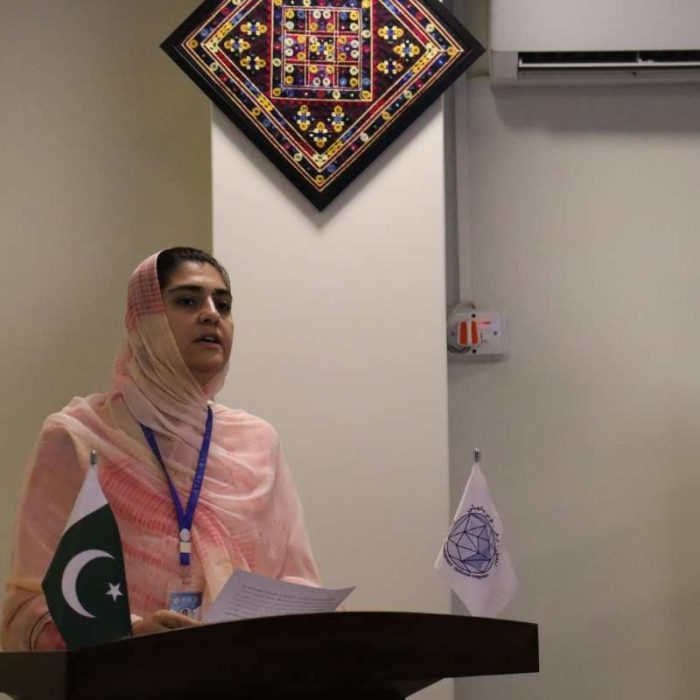
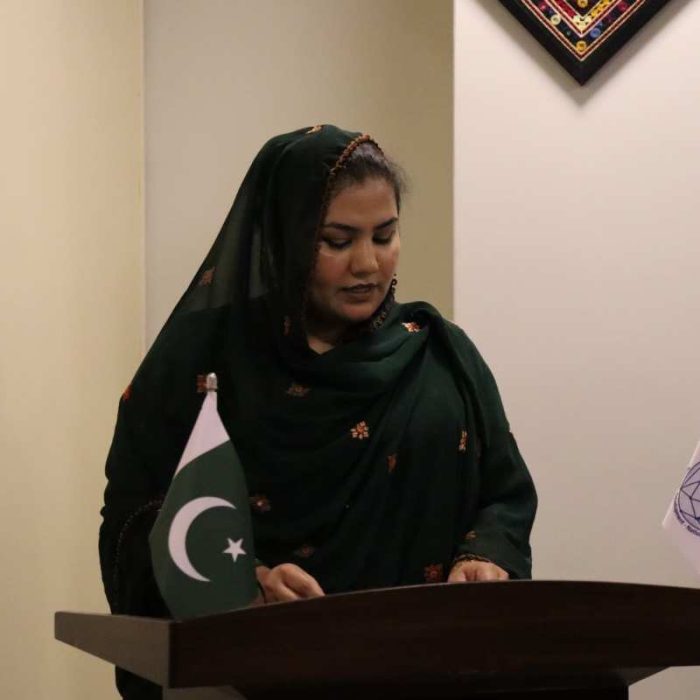
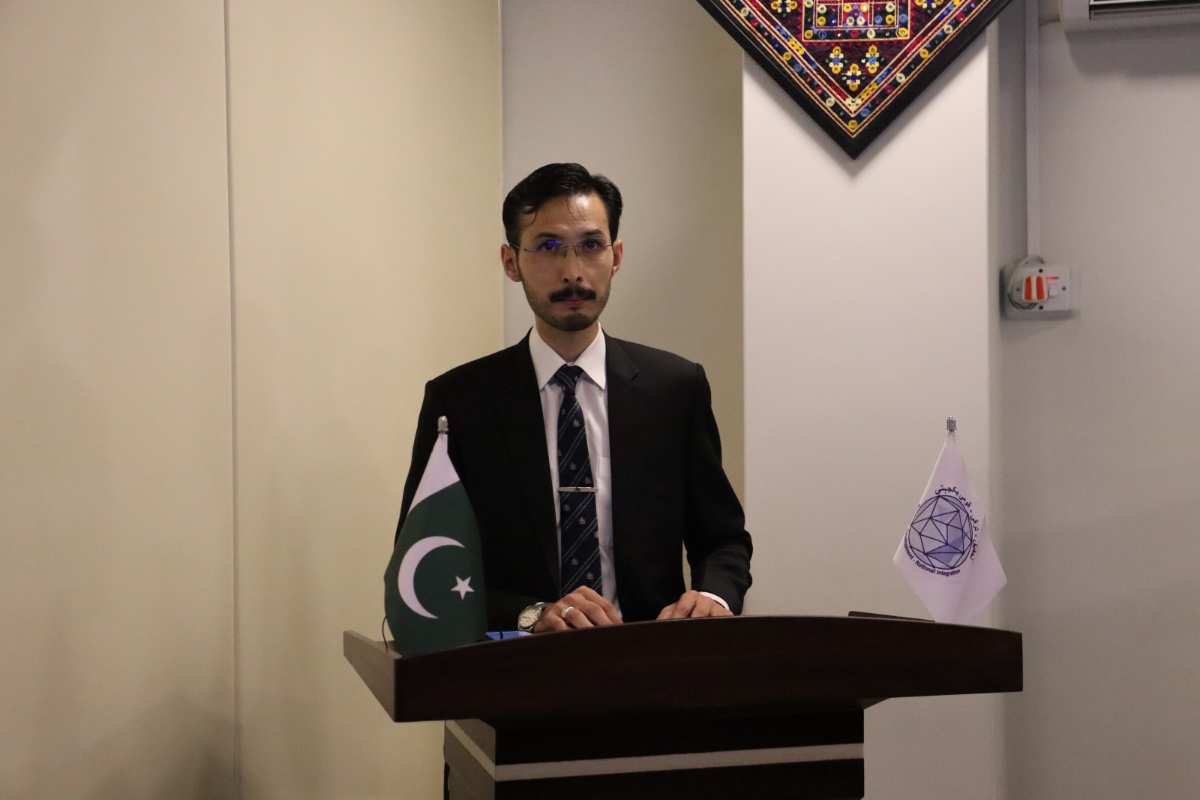
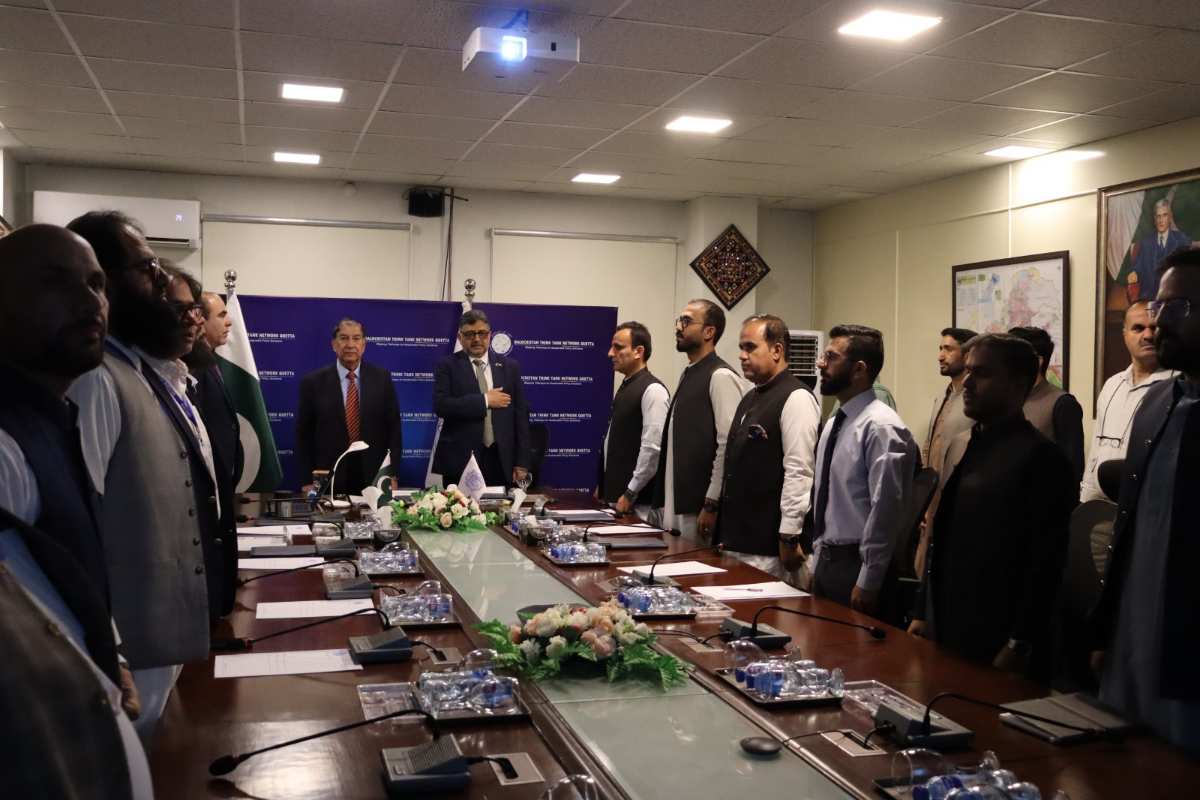
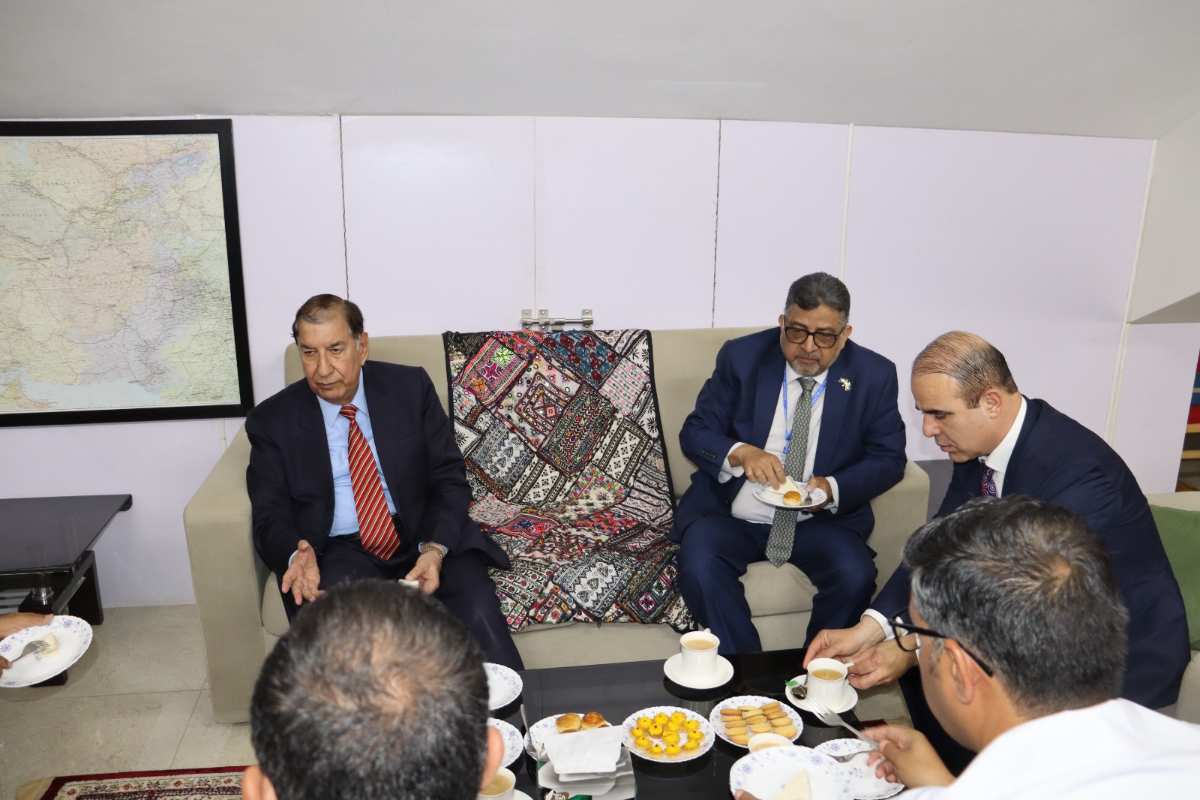
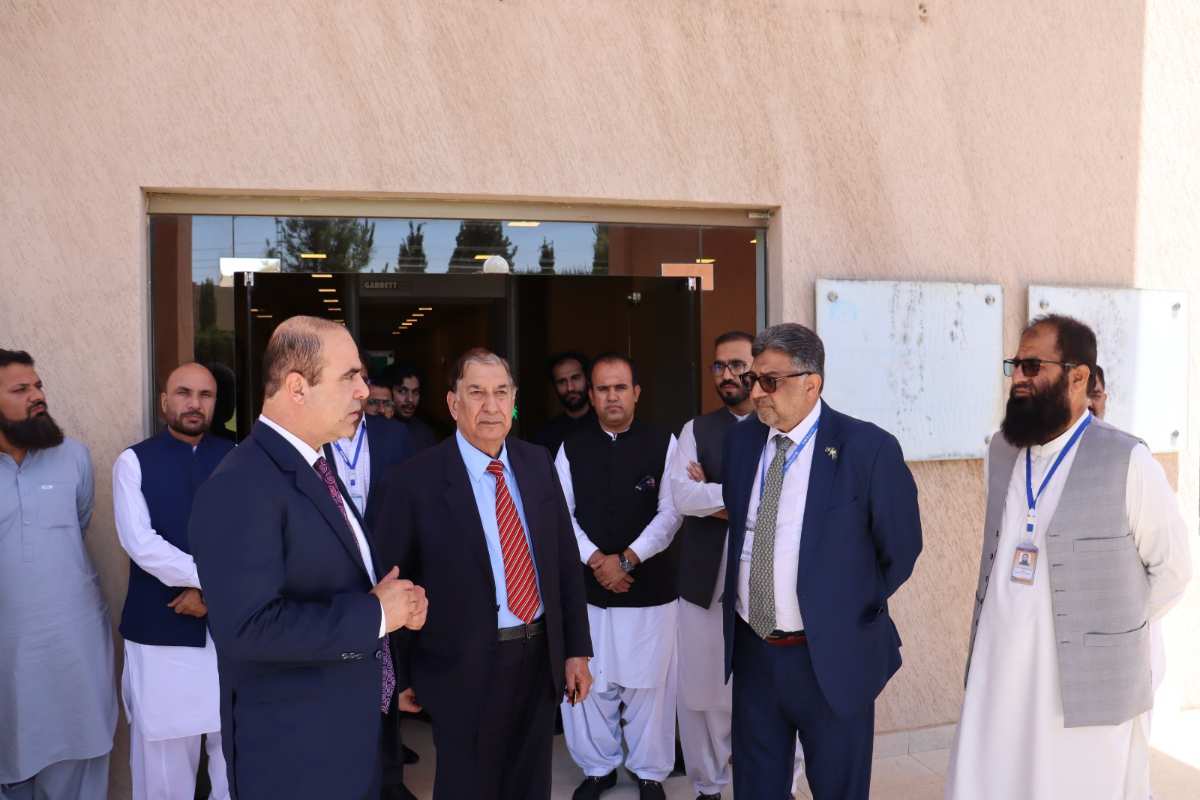
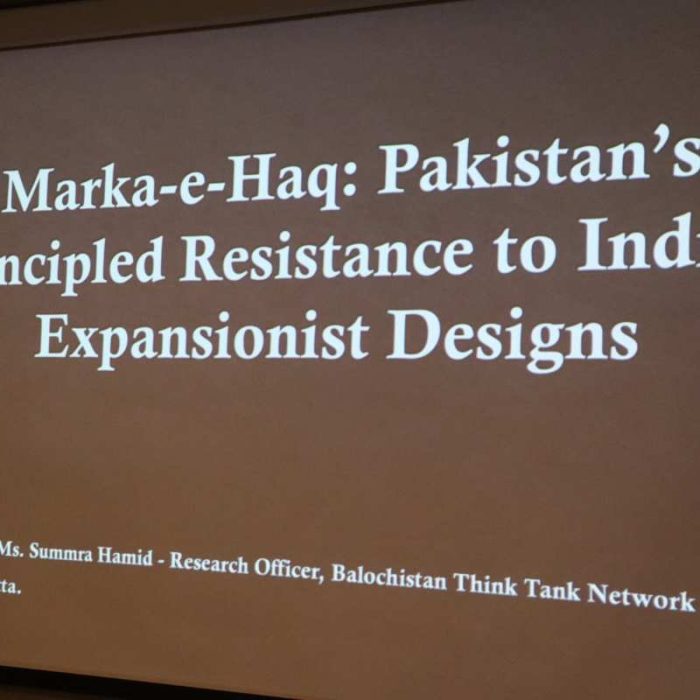
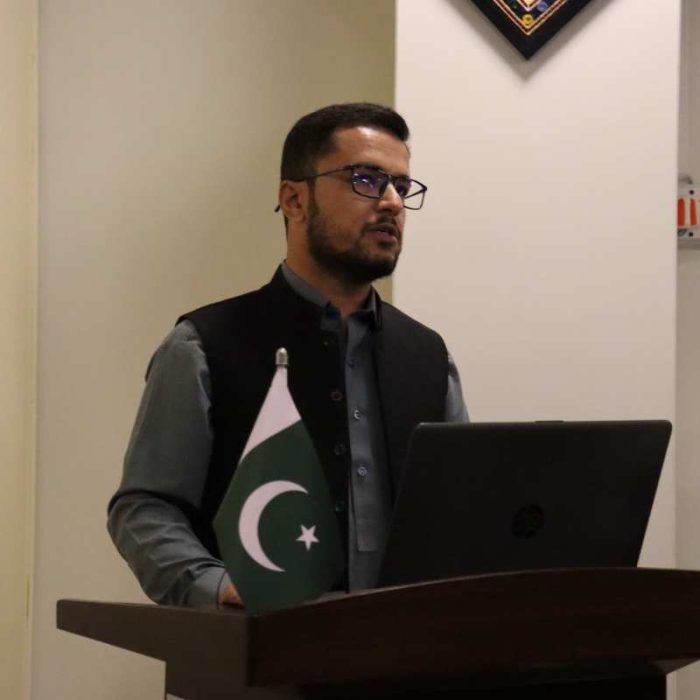
The Balochistan Think Tank Network, in Collaboration with the Balochistan University of Information Technology, Engineering, and Management Sciences (BUITEMS), Quetta, organized a joint seminar commemorating “Marka-e-Haq: Pakistan’s Resolute Response to Indian Military Aggression” on 7 May, 2026.
The Seminar brought together Researchers and Academicians from BTTN and BUITEMS to celebrate and acknowledge the professionalism and commitment of Pakistan’s armed forces and its people in the face of dangers emanating from India. Brig. Agha Ahmad Gul, founding head of BTTN; the Vice Chancellor of BUITEMS, Prof. Dr. Khalid Hafeez; the Executive Director of BTTN; the Deans of Faculties and Heads of Departments of BUITEMS; the Director of Research, and Associate Directors of BTTN; and the BTTN research faculty participated in the Seminar.
A series of speeches was delivered by the Dean of the Faculty of Social Sciences and Humanities, Dr. Aurangzeb Alamgir, and Researchers from BTTN, including Ms. Samra Hamid, Ms. Pairman Bazai, Mr. Asadullah Raisani, and Mr. Naseem Sabzal.
The speakers and attendants highlighted that Pakistan’s resolute response during Operation Bunyan-ul-Marsoos and Marka-e-Haq demonstrated the nation’s unwavering commitment to defending its sovereignty, dignity, and peace, with the people and armed forces standing shoulder to shoulder in a powerful display of national unity and collective resolve. Pakistan’s Full Spectrum Deterrence, operating within the ambit of Credible Minimum Deterrence, successfully denied India’s pursuit of warfighting below the nuclear threshold, proving that a nation’s strength lies not in the size of its military or budget alone, but in skill, discipline, technology, and national spirit — as evidenced by Pakistan’s ability to repel an adversary with seven times the military strength and resources. While this tactical success has created a strategic opportunity, the path forward demands internal stabilization, technological upgradation, and smart regional balancing, as Pakistan now navigates a complex multi-front pressure landscape shaped by hybrid warfare, technological competition, and regional convergences that risk inadvertent nuclear escalation. Pakistan’s response was marked by strategic restraint and a commitment to peace and diplomacy, and the international community must take notice of actions that threaten strategic stability in South Asia. Going forward, continued collaboration between the people, academia, and the armed forces will be essential to translating moments of strength into long-term stability, prosperity, and peace — both for Pakistan and the broader region.